
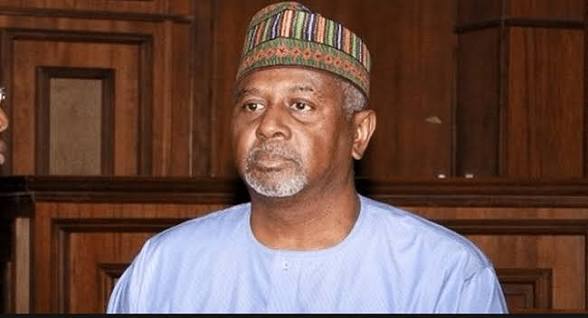
Ahmed Dasuki is a Nigerian businessman, public figure and member of one of the most historically influential royal families in northern Nigeria. He is widely recognized as part of the Dasuki dynasty of Sokoto, a family deeply connected to Nigeria’s traditional leadership structure and national politics.
Over the decades, members of the Dasuki family have played key roles in governance, diplomacy and public administration in Nigeria.
Ahmed Dasuki belongs to a lineage that includes prominent traditional rulers and influential national figures, most notably the former Sultan of Sokoto and senior political personalities. His background within such a powerful family has made him a notable personality in elite circles across northern Nigeria and the broader national landscape.
This biography explores Ahmed Dasuki’s early life, family heritage, education, career path, influence, and estimated wealth.
Early Life and Family Background
Ahmed Dasuki was born into the historically prominent Dasuki family of Sokoto State, located in northwestern Nigeria. The family is closely linked to the traditional ruling system of the Sokoto Caliphate, one of the most historically significant Islamic empires in West Africa.
The Sokoto Caliphate, established in the early nineteenth century by Islamic scholar and reformer Usman dan Fodio, created a powerful political and religious structure that shaped governance across northern Nigeria. Over time, the descendants of influential families within the caliphate became custodians of traditional authority and community leadership.
Ahmed Dasuki grew up in an environment that combined traditional royal heritage, political awareness and intellectual influence. Members of his extended family have served as traditional rulers, government officials, military officers and diplomats.
One of the most prominent figures connected to the family was Ibrahim Dasuki, who served as the 18th Sultan of Sokoto from 1988 to 1996. The Sultan of Sokoto is regarded as the spiritual leader of all Muslims in Nigeria and one of the most respected traditional authorities in the country.
Growing up within such a historically powerful family meant Ahmed Dasuki was exposed early to leadership, governance and the cultural responsibilities associated with traditional authority.
Childhood and Upbringing
Ahmed Dasuki spent his early childhood in northern Nigeria, where he was raised within a disciplined cultural environment that emphasized Islamic education, respect for tradition and leadership values.
Like many children from elite northern families, his upbringing combined formal Western education with strong Islamic instruction. Religious teachings were an important part of daily life, shaping moral values and social responsibility.
His family ensured that he received exposure to both modern education and traditional cultural training, a dual system common among aristocratic families in northern Nigeria.
The environment of Sokoto also exposed him to political discussions and leadership issues, as members of his extended family were frequently involved in national matters.
Education
Ahmed Dasuki pursued his early education in northern Nigeria. His primary and secondary schooling took place in reputable institutions known for educating children from influential families in the region.
During his school years, he developed strong interests in leadership, administration and economic development. His academic journey reflected the expectations placed on individuals from prominent families to acquire knowledge that could later be applied in national service or business leadership.
After completing secondary education, he continued to higher studies, focusing on fields that supported his interests in management and administration.
Although detailed public records about his specific university degree are limited, it is widely believed that Ahmed Dasuki received higher education in areas related to business administration, economics or management, disciplines commonly pursued by individuals preparing for leadership roles in both public and private sectors.
His education helped shape his understanding of organizational structures, economic planning, and strategic leadership.
Family Influence and Legacy
The Dasuki name carries significant historical weight in Nigeria. The family has been associated with leadership roles within traditional institutions and national governance for generations.
Members of the family have served in various influential positions including:
traditional rulers
military officers
government advisers
business leaders
political strategists
The legacy of the Dasuki family is closely tied to the governance structure of northern Nigeria, particularly the traditional emirate system that has existed for centuries.
Ahmed Dasuki grew up surrounded by individuals who shaped national policies and traditional leadership systems. This environment exposed him to the complex relationship between modern political institutions and traditional authority in Nigeria.
Career and Professional Activities
Ahmed Dasuki is known primarily for his involvement in business and elite social networks connected to Nigeria’s political and economic landscape.
Unlike some members of the Dasuki family who pursued full-time political careers, Ahmed Dasuki focused more on private enterprise and advisory roles within elite circles.
His business interests are believed to span several sectors including:
real estate
investment partnerships
consulting
agricultural ventures
These sectors are common areas of investment for wealthy northern Nigerian families, particularly those with longstanding economic influence.
Through these ventures, he has built connections within Nigeria’s political and business communities.
Business and Investment Interests
Nigeria’s economic environment offers opportunities in sectors such as agriculture, energy, property development, and trading. Individuals with strong networks often leverage these connections to participate in high-value investment projects.
Ahmed Dasuki is believed to have participated in private investment initiatives that focus on:
property development
land acquisition
agricultural production
commercial partnerships
Real estate investment is particularly common among elite families in northern Nigeria, where land ownership has historically been a symbol of wealth and power.
These ventures contribute to his financial standing and social influence.
Public Recognition and Influence
While Ahmed Dasuki does not maintain a highly visible public profile compared to some Nigerian politicians or celebrities, his name continues to carry recognition due to the prestige of the Dasuki family.
Individuals from historically powerful families often maintain influence behind the scenes through advisory roles, strategic partnerships, and connections with political leaders.
His social standing places him within Nigeria’s network of elite families whose members play roles in shaping discussions about governance, development, and economic progress.
Relationship With Nigeria’s Traditional Institutions
Nigeria’s traditional institutions remain an important part of governance and community leadership, particularly in northern regions. Families associated with historical leadership structures often continue to play ceremonial and advisory roles in society.
The Dasuki family’s historical connection to the Sokoto Sultanate places them within one of the most respected traditional institutions in Nigeria.
This association contributes to Ahmed Dasuki’s social prestige and recognition within elite northern circles.
Personal Life
Ahmed Dasuki is known to maintain a relatively private lifestyle. Individuals from aristocratic families in northern Nigeria often prefer to keep their personal lives away from public media attention.
He is believed to be married and maintains close family relationships within the extended Dasuki dynasty.
Family values, cultural traditions, and religious practices remain central aspects of his personal life.
Outside of business activities, he participates in social events, community gatherings, and family ceremonies associated with northern Nigeria’s traditional elite.
Philanthropy and Community Engagement
Members of aristocratic northern Nigerian families traditionally support charitable activities within their communities. These initiatives often focus on education, healthcare, and poverty alleviation.
Ahmed Dasuki has been associated with philanthropic efforts that support local development and community welfare.
Typical areas of support include:
scholarships for students
assistance to religious institutions
community welfare programs
support for rural development initiatives
Philanthropy remains a respected tradition among influential families in northern Nigeria, reflecting cultural values of generosity and communal responsibility.
Wealth and Net Worth
Estimating the exact net worth of individuals who operate primarily in private investment circles can be challenging due to limited public financial disclosures.
However, Ahmed Dasuki’s wealth is believed to come from several sources including:
family assets
private investments
real estate holdings
business partnerships
Given the long-standing economic influence of the Dasuki family and their access to high-value investment opportunities, his net worth is often estimated within the multi-million-dollar range.
His financial standing reflects both inherited family prestige and participation in private business ventures.
Legacy and Social Standing
Ahmed Dasuki’s legacy is closely tied to the broader influence of the Dasuki dynasty in Nigeria. The family remains one of the most historically significant aristocratic lineages in northern Nigeria.
Their contributions to traditional leadership, governance, and social development have shaped regional politics and cultural identity for generations.
As a member of this lineage, Ahmed Dasuki represents the continuation of a long-standing tradition of leadership, influence, and elite social standing.
Conclusion
Ahmed Dasuki is a member of one of Nigeria’s most historically influential families, the Dasuki dynasty of Sokoto. His life reflects the intersection of traditional aristocratic heritage, modern business activity, and elite social networks.
Raised within a family deeply connected to the leadership structure of the Sokoto Caliphate, he developed an understanding of governance, community responsibility, and cultural values from an early age.
Although he maintains a relatively private public profile, his business interests, family heritage, and social connections position him among notable figures within Nigeria’s traditional elite circles.
Through his investments, family legacy, and community involvement, Ahmed Dasuki continues to represent the enduring influence of aristocratic leadership in modern Nigerian society.
Be the first to comment